
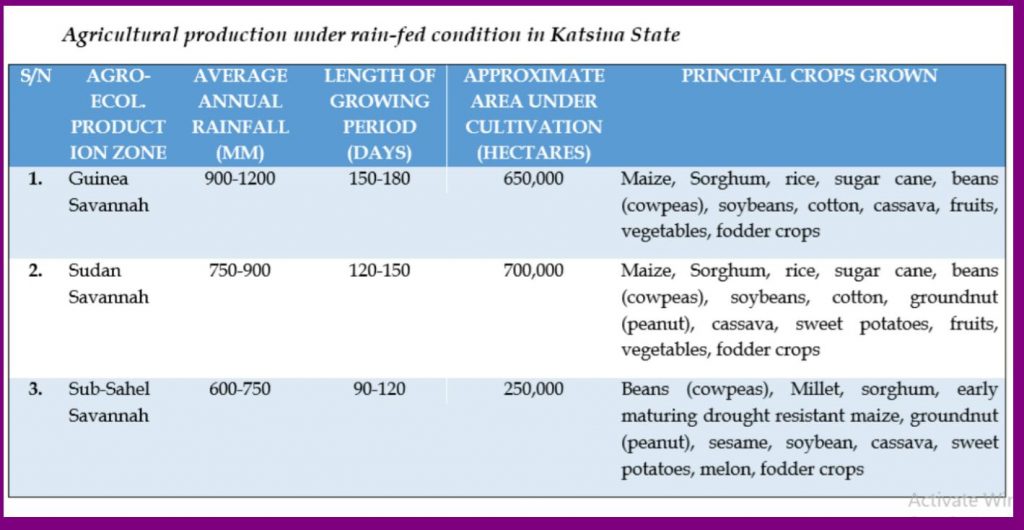
Table 1 Agricultural production under rain-fed condition in Katsina State
Productivity indicators and major crop grown.
The irrigation calendar begins where the rain-fed cropping season terminates with cessation of rains, which is, generally, by the end of October. The irrigation season continues till the commencement of rains in May of the subsequent year. There are several irrigation sites spread across the State and more areas are being developed for dry season farming to complement rain-fed agriculture.
Since irrigation is a farming system with human controlled moisture regimes, almost any type of crop can be grown under irrigation depending on market demand.
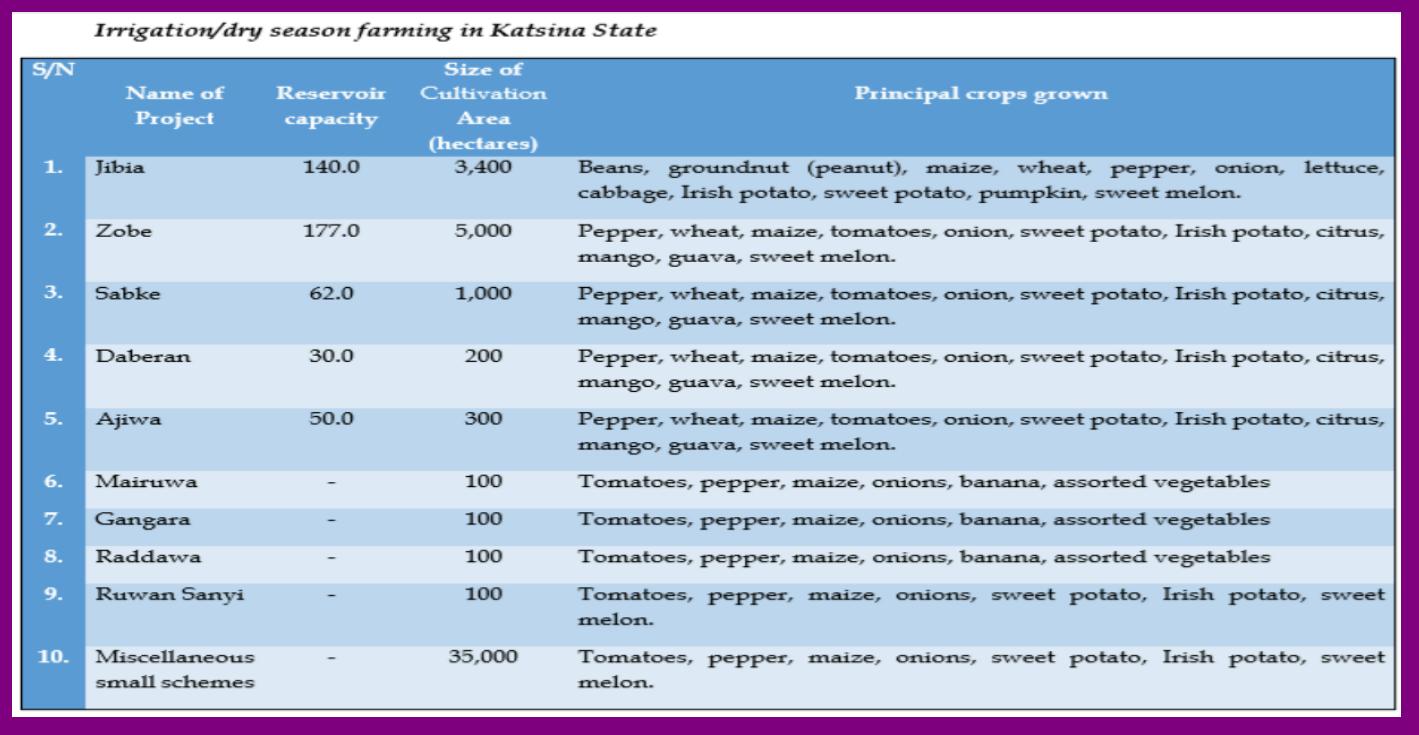
But, traditionally the farmers in the State concentrate on production of horticultural crops, such as tomatoes, pepper, onion, cabbage, lettuce and other kinds of melons. Prominent crops traditionally cultivated in the area are presented in Table 2.
Table 2 Irrigation/dry season farming in Katsina State
Productivity indicator resources and major crop grown traditionally grown
 The above table gives a comprehensive list of the agricultural resources in the State with possible industries each (resource) could support.
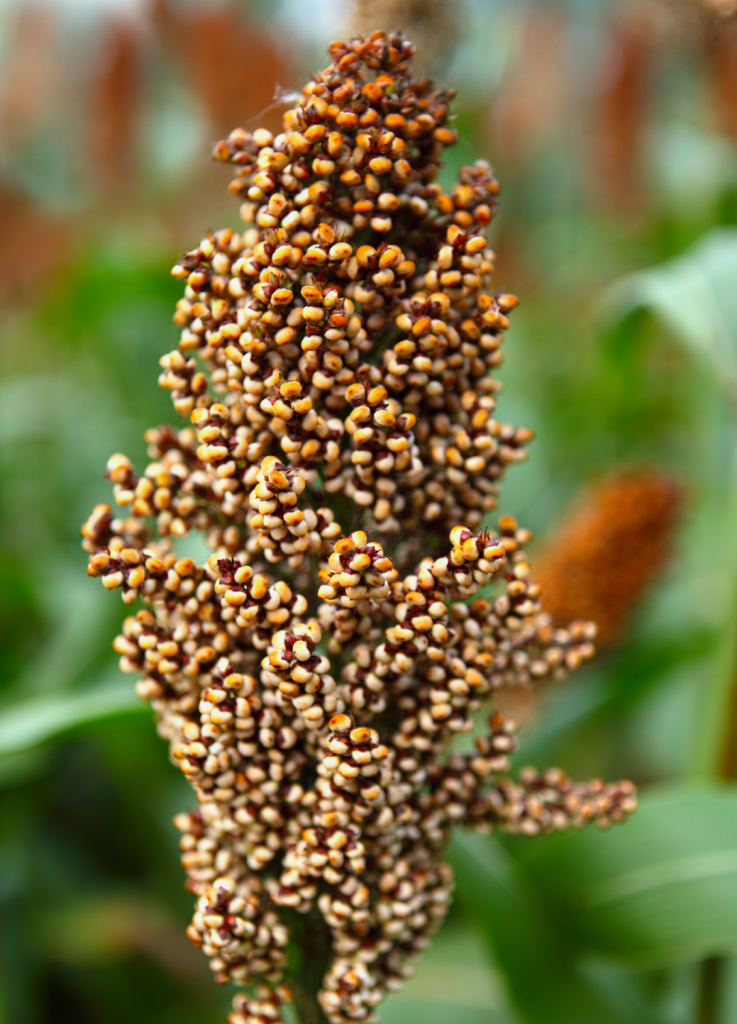
The availability of various types of crops cultivated in the State provides an opportunity for setting up of agro-allied industries. As previously stated, cotton, beans, tomato and pepper, groundnut, millet, maize and guinea corn are raw materials for various types of industries. Leather and shoe manufacturing industries are feasible because of the availability, in commercial quantity, of hides and skin in all the nooks and crannies of the State.
Funtua Textiles Factory which employs over one thousand workers, depends heavily on cotton produced in Funtua, Bakori, Dandume, Sabuwa, Faskari, Danja, Dutsin-Ma, Kurfi, Malumfashi and Kafur Local Government Areas of the State.
The availability of these raw materials offer wide range of opportunities for setting up more commercial ventures in the State. The two oil mills situated in Katsina and Funtua depend on groundnut and cotton seed as their raw material requirements.
Fruit Trees/Orchard Development
Because of its favourable tropical climatic conditions, which permit plant growth year-round, and its abundant water resources, the State is positioned to become a major producer of fruits for home consumption and export.
Wide variety of mangoes, citrus, guava, papaya and date palms are presently grown in small peasant holdings for local consumption.
A With the expansion of irrigation farming system, the State Government is eagerly looking for investors to partner within the establishment of commercial scale plantation estates for fruits production as well as the allied industries for packaging, value-addition, processing. The Katsina airport offers much credence to the population.
Livestock Production
Dairy farm, simmental cattle, feeding cows on farm due to the long history and tradition of rearing livestock dating back to antiquity, Katsina State is one of the leading supplies of Live animals and animal products for the nation.
The State excels in ruminant production with capital asset of one million cattle, three million goats and two million sheep.
Allied to the livestock is production and conservation of fodder crops which constitutes significant component and contributes to the aggregate commodities and agricultural productivity of the State.
Fodder production and conservation is a lucrative income-generating vocation for the farmers under both the rain-fed and irrigation farming system.